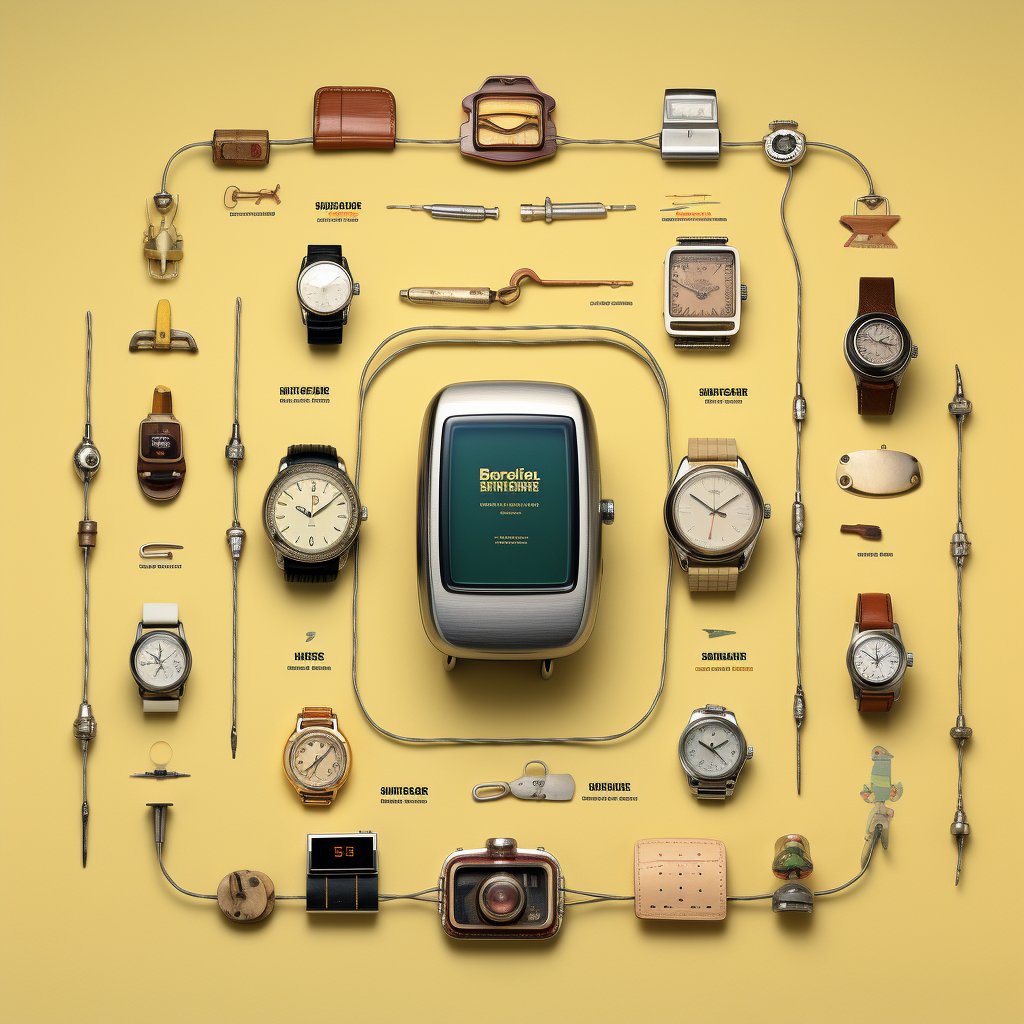
The realm of personal health has witnessed a remarkable transformation over the past few decades. The proliferation of wearable technology has redefined how individuals monitor and manage their health and fitness. From primitive tools for measuring physical activity to sophisticated devices capable of tracking a wide array of biometrics, wearables have become an integral part of our daily lives. This exploration delves into the evolution of wearables as health companions, examines their current capabilities beyond fitness, and looks ahead to emerging technologies that are set to further revolutionize personal health monitoring.
The history of wearable health devices is long and varied, beginning with simple mechanical pedometers and evolving into the multi-functional smartwatches of today. Alongside this evolution, smartphones have emerged as central hubs for health data, working in tandem with wearable devices to provide a comprehensive view of an individual’s health metrics. As technology advances, wearables have expanded their scope beyond mere step counting, offering insights into stress levels, blood oxygen saturation, and more. Future advancements promise even greater integration of health monitoring into our daily lives, making proactive health management more accessible than ever before.
From pocket watches to smartwatches: a journey
The genesis of wearable health devices can be traced back to basic timepieces and mechanical pedometers that merely scratched the surface of health monitoring. Initially used for simple tasks such as keeping time or estimating distance traveled, these early devices paved the way for more advanced technology. As miniaturization and sensor technology progressed, these rudimentary tools evolved into sophisticated gadgets capable of capturing a wealth of health-related data.
The transition from pocket-sized pedometers to wrist-worn devices marked a significant step in wearable technology. The modern smartwatch, now ubiquitous on wrists around the globe, is a far cry from its predecessors. Not only does it keep precise time, but it also acts as a personal trainer, monitoring every heartbeat with impressive accuracy. The integration of heart rate sensors into these devices has provided users with real-time feedback on their cardiovascular health, making it easier to tailor workouts and track fitness goals over time.
Step counters: from pedometers to your wrist
Step counting has long been a fundamental feature of fitness tracking. The evolution from standalone pedometers to integrated step-tracking in wearable devices has made it more convenient than ever for individuals to monitor their daily activity levels. This seemingly simple metric serves as a proxy for overall physical activity and encourages people to adopt healthier lifestyles by setting daily step goals.
With the advent of advanced accelerometers and algorithms, wearables today not only count steps but also distinguish between types of activities, whether you’re running, cycling, or swimming. This granularity allows for more personalized fitness data, enabling users to gain deeper insights into their exercise routines and overall physical wellbeing.
How smartphones became the ultimate health companion
The rise of smartphones has played a pivotal role in the growth of wearable technology. These powerful handheld devices have become central command centers for health data collected by wearables. Through dedicated apps and seamless synchronization, smartphones allow users to store, analyze, and interpret their fitness metrics, turning raw data into actionable insights.
Smartphones not only facilitate the tracking of physical activity but also empower users to monitor their dietary intake. Calorie tracking apps that integrate with wearables provide a comprehensive overview of energy expenditure versus consumption, offering a holistic approach to weight management and nutrition.
Sleep tracking: understanding our night
Sleep plays a critical role in overall health, and the ability to track sleep patterns has become a coveted feature in wearables. These devices utilize motion sensors and heart rate monitors to provide insights into sleep duration, quality, and disturbances. By analyzing sleep trends over time, individuals can make informed adjustments to their sleep hygiene, leading to better rest and enhanced wellbeing.
The integration of sleep tracking into wearables has brought awareness to the importance of sleep in maintaining a healthy lifestyle. It has empowered users with knowledge about their own bodies and encouraged them to prioritize sleep as much as diet and exercise in their health routines.
Wearables go beyond fitness
The utility of wearables has expanded far beyond counting steps and tracking workouts. These devices now offer a suite of features designed to monitor various aspects of health and wellness. One such advancement is the ability for wearables to gauge stress levels through heart rate variability measurements. This provides users with immediate feedback on their stress response and encourages them to engage in stress-reducing activities such as meditation or deep breathing exercises.
Additionally, the measurement of blood oxygen saturation (SpO2) has become a standard feature in many wearables. By shining light through the skin to detect blood flow, these devices can estimate the level of oxygen in the bloodstream – an important indicator of respiratory health and overall fitness.
Stress management on your wrist
In today’s fast-paced world, managing stress is as crucial as managing physical health. Wearables have risen to the challenge by incorporating stress detection algorithms that analyze physiological signals such as heart rate variability. By alerting users to periods of high stress, these devices encourage proactive management through relaxation techniques and mindfulness practices.
This feature exemplifies how wearables have evolved from simple fitness trackers into holistic health devices that cater to both physical and mental wellbeing. Users now have access to tools that support them in achieving a balanced lifestyle, with stress management playing a key role in that equilibrium.
Blood oxygen levels and what they tell us
The ability to monitor blood oxygen levels has added a new dimension to personal health tracking. This metric offers valuable insights for athletes looking to optimize performance as well as individuals managing specific health conditions. The inclusion of SpO2 monitoring in wearables underscores the trend towards comprehensive health management devices.
Understanding blood oxygen levels can inform users about potential underlying health issues or provide confirmation that their body is functioning well during high-intensity workouts or at high altitudes. This information can be critical for making timely decisions regarding health interventions or adjustments in training routines.
The future is now: emerging tech in personal health
As we look toward the horizon of wearable technology, we see burgeoning innovations that promise to further refine how we monitor our health. Among these advancements are skin patches capable of continuously monitoring glucose levels without the need for invasive finger-prick tests. This technology represents a significant breakthrough for individuals with diabetes who require constant glucose monitoring.
Another exciting development is the advent of smart rings – stylish accessories that double as powerful health tracking tools. Packed with sensors, these rings offer similar functionalities to smartwatches but in a more discreet form factor.
Skin patches that monitor glucose
The introduction of skin patches for glucose monitoring is poised to revolutionize diabetes management by providing non-invasive, real-time glucose readings. These innovative patches detect glucose levels through the skin using advanced biosensor technology, offering convenience and peace of mind for those affected by diabetes.
This leap forward in personal health tech illustrates how wearables are becoming increasingly specialized, catering not only to general wellness but also addressing specific medical needs. With such advancements, wearables are set to become even more integral in healthcare management and disease prevention.
Smart rings: tracking health in style
Smart rings represent the fusion of fashion and function within the wearable tech space. These chic devices deliver the same powerful sensors found in larger wearables but do so in a subtle and elegant package that can be worn on any occasion.
With their sleek designs and robust capabilities, smart rings are expanding the appeal of wearables to a broader audience. They demonstrate that personal health monitoring doesn’t have to come at the expense of style, making it accessible and attractive for everyone.

